
In our last article, we briefly discussed harmful pathogens and the negative effect they can have on the opening of schools and universities in the autumn season. But, what are pathogens and how do they actually get transmitted?
What are pathogens?
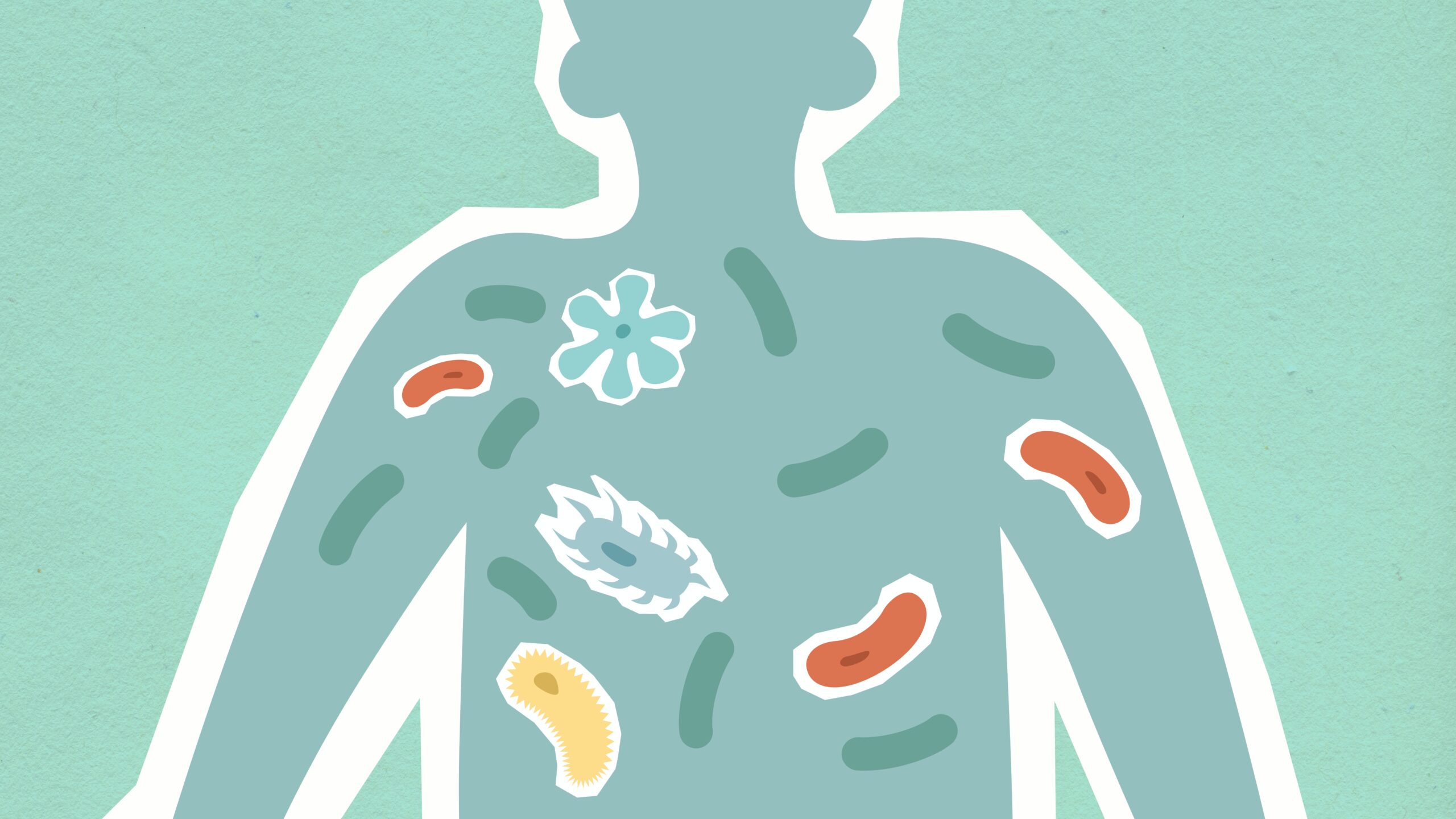
Small agents that need a host and a good, fruitful environment for them to feed on and generally exist. We, humans, tend to be perfect for them because of our mobility and the sources of food and water that we have access to. They are tiny organisms that cause infectious diseases. They could be bacteria, a parasite, fungi, and guess what, a virus! Our bodies tend to have over 10,000 micro-organisms but most of them are not harmful and even beneficial to us. Sometimes, they are harmful and when this happens, they tend to grow, spread and lead our bodies to an infectious disease that can be passed on to others.
How are pathogens transmitted?
There is a direct and indirect way. Direct transmission happens when there is physical contact between people. Indirect transmission, on the other hand, occurs when there is a non-human pathogen reservoir. This can happen in three common ways:
• Aerosol transmission: pathogens exist within small airborne particles called droplet nuclei. Some of them can stay in the air for several hours. This means that even if the infected person is not in the room, you can still catch a virus. Chickenpox and Tuberculosis are such viruses.
• Droplet transmission: these are small, water particles (big under a microscope) that stay in the air for only a few minutes. Imagine someone infected sneezes, a droplet can travel through the air and can get you infected, hence why wearing a mask is so important – not to protect yourself but others in your vicinity. Even just breathing air can cause droplets to be transmitted onto someone else – so wearing your mask over the nose is highly important. Examples of infectious diseases that are transmitted this way are mumps, whooping cough, influenza measles (rubella), and certain types of meningitis.
• Fomite transmission: this is when inanimateobjects, surfaces can provide an environment for the harmful agents to exist. This is when contamination happens. Pathogens then can get transmitted through the hands by touching the object, picking up the bacteria or the virus, and then touching your face allowing for the pathogen to travel through and enter your body. It sounds like a horror movie! It could be when the disease is highly infectious and the immune system of the body cannot cope with it. This is why cleaning and disinfecting surfaces and washing your hands regularly are key when staying safe. Pathogens can live for days on end on objects – your phone could be putting you at health risk, make sure you disinfect and clean your hands regularly.
It’s good to know that the current coronavirus that caused the global pandemic has the characteristics of all three above. In addition to the transmission routes above, there are others such as insect bite or bloodbourne but these would be for another time to discuss. National Geographic has a very good infographic that can give you the bigger picture on transmission routes.
What is interesting is that most of the diseases can be prevented by simply washing our hands and wearing a mask on our faces.
Speaking of washing hands and cleaning surfaces, PaChico ® can offer fantastic products. Our hospital hygiene sector has a wide range of anti-bacterial products to help fight harmful pathogens.
Speak to our Customer Services team for more information at office@pachico.net or on phone numbers: +359 82 844 871; +359 82 844 872.