
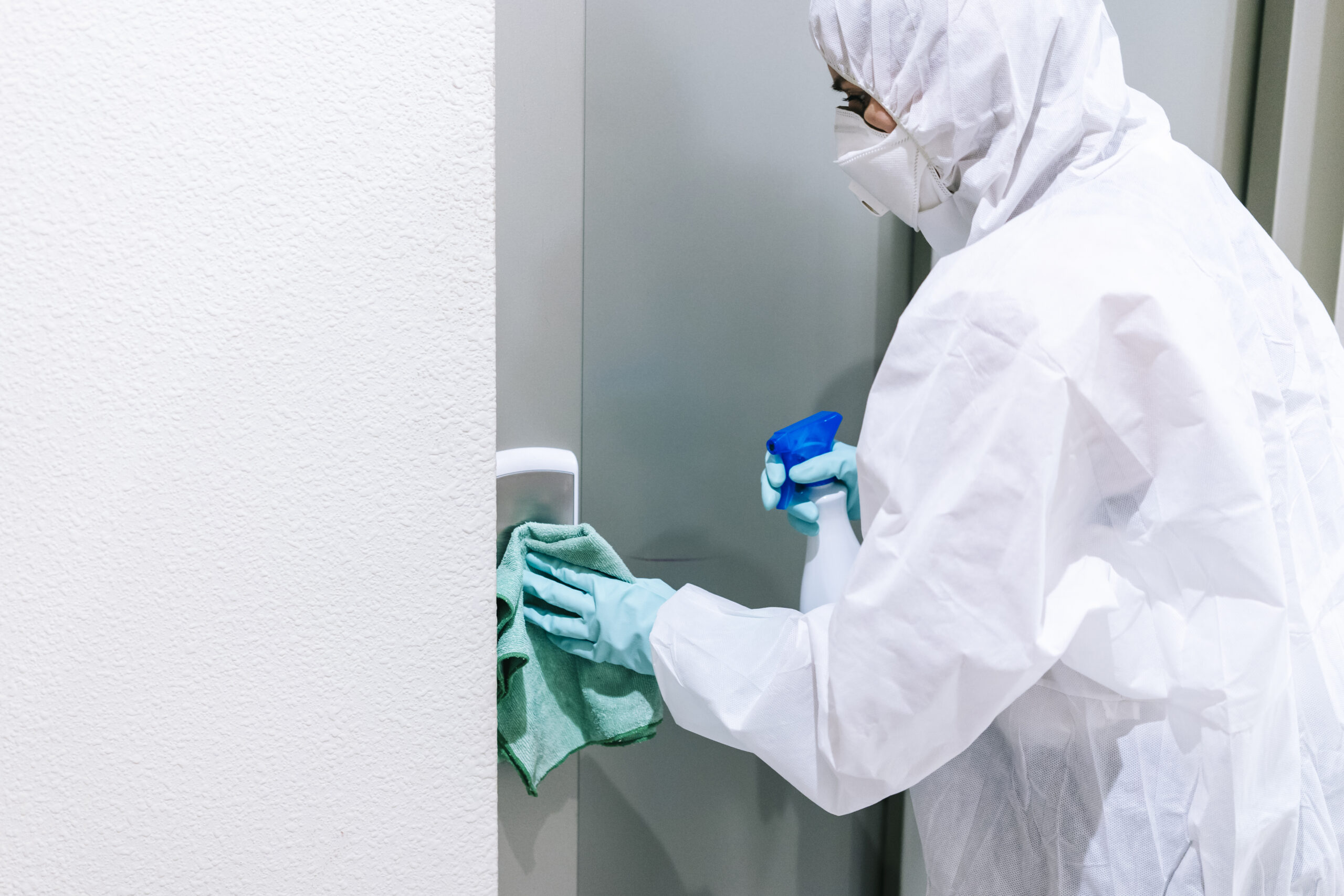
Favorable conditions for the development of bacteria, microbes, pathogenic microorganisms and viruses most often appear in hospitals. Maintaining cleanliness in these places is an important issue for patient safety and is both their responsibility and that of all staff and visitors. Often, the development of a nosocomial infection can occur, leading to a further increase in the patient’s stay, more treatment costs, monitoring by various specialists and taking other medications. The importance of the hospital environment in patient care has only recently been widely recognized in the prevention and control of infections, so in the following lines you will learn how to ensure high hygiene.
Factors influencing the hygiene in healthcare facilities
Maintaining hygiene standards in hospitals is a complex task because it is directly dependent on the available pathogen and the preparation used to remove it. Five main variables related to cleaning and disinfection need to be considered: what product or intervention is applied; the machinery and equipment used to apply the product; the type of surface; the level of environmental pollution and last but not least, the cleaning staff. If one of these components does not comply, sanitation and disinfection will not be performed optimally. Even the most effective preparation will not be useful if employees are not properly trained, and the best trained staff will be useless if they do not have the right biocide.
Guidelines for cleaning and prevention in hospitals
Our advice is to follow basic guidelines and rules that will ensure high levels of hygiene.
– Critical points and cleaning time intervals
Before starting the disinfection procedure, efficient cleaning of surfaces, facilities and equipment with detergent and water must be performed. It is possible to use a detergent that combines in one: cleaning and disinfection. Each room or compartment should be cleaned and disinfected at least once every 8 hours, and sectors with a larger flow of people – every 4 hours. Blood and other body secretions must be removed immediately, and this is always in accordance with internal regulations for disinfection in case of contamination with this type of liquid.
The critical points that are subject to regular disinfection are determined. These are the areas with more traffic and the areas that are touched frequently – door handles, windows, railings on stairs, seats in waiting rooms, lighting switches, elevator buttons, sinks, taps, toilet bowls and more.
– Types of disinfectants
Disinfectants in the form of sprays and containing alcoholic substances are used to clean smaller surfaces. These can be: buttons on appliances, monitors, stethoscopes, thermometers, headphones and more. After treatment, the areas should be allowed to dry. Disinfectants used for larger floor surfaces are most often in the form of solutions. The concentrates are dissolved in lukewarm water or in water with a certain temperature, depending on the condition indicated on the label to achieve virucidal action.
The time of action is usually also indicated on the package. The detergent always has a minimum time during which it must stand on the surface to be treated in order to achieve an optimal result. During this period, the treated spaces should not be used and passed through. Strict adherence to the relevant requirements for ventilation of the premises is required.
– Air disinfection
Stationary or mobile bactericidal UV lamps can be used to disinfect the air. They are applied when there are no staff and patients, between procedures or at the end of the working day. Disinfection is usually achieved within 20-60 minutes of operation of the devices. Ceiling-mounted UV lamps with fuses can also be used, which direct UV light only to the upper part of the halls, offices and compartments, and ozone-free devices can work in disinfection mode in the presence of people without having a negative impact on their health.
– Consumables
As above, it is clear that the treatment of surfaces for disinfection must take into account the specifics of the material from which they are made. Thus, for some areas it will be appropriate to disinfect with a towel, and for others by spraying a disinfectant. With one mop it is recommended to disinfect up to 10 square meters, and when wiping with a towel up to 2 square meters. After using such reusable consumables, it is mandatory to sterilize them by soaking in a suitable solution with bactericidal (including tuberculocidal), fungicidal and virucidal (HBV / HIV) action, and to allow them to dry.
In case of contact with fabrics such as bed linen, curtains, towels, etc., care should be taken to avoid contamination. These textiles must be washed with hot water (90 °C) and detergent. If the composition of the fabric does not allow washing at this temperature, apply disinfectants for chemo-thermal disinfection or textiles when washing at a lower temperature.
– Personal protection
Each member of the staff involved in the cleaning and disinfection processes needs to have their own personal protective equipment. Disposable ones are discarded and reusable ones are disinfected. Waste resulting from patient care is disposed of as hazardous waste.
Possibilities for process automation
The introduction of automation in cleaning and disinfection is a really useful solution, which, however, does not completely replace manual labor. Yet, techniques such as ATP meters or UV light fluorescent markers can be used to quickly and easily check the level of hygiene. Automated or semi-automated disinfection will help raise the standard of hygiene, which in turn will increase the care of patients and their health.
In case you want to receive other valuable information or a recommendation for suitable cleaning and disinfecting agents – contact our team.